
Fast charging in 2026 is a maze of numbers: watts, PD, PPS, GaN, Qi2, and cables that quietly cap your speed. The good news is that the parts that actually make a difference are cheap on AliExpress — you do not need to spend Apple or Anker money to charge a laptop, a phone and a watch quickly. The trick is knowing which five things to buy, and why.
This guide is the companion to our power banks and the mAh myth piece: that one covers what to carry, this one covers how to charge it — at your desk, in the car, and on your nightstand.
Quick verdict: A single GaN charger replaces a drawer of bricks, but it only hits full speed with a cable rated for the watts. Add a magnetic bank for the day and a wireless stand for the night, and you have covered every place you charge.
The 60-second fast-charging primer
Three things decide whether a device charges fast, and all three have to line up:
- The charger’s real wattage. A 100W GaN charger can run a laptop; a 20W brick cannot. GaN just means it does it in a smaller, cooler package. On a multi-port charger, the wattage is shared — plugging in a second device drops the first one’s speed.
- The cable. This is the part everyone forgets. A cable without the right e-marker chip silently caps at 60W or 100W, so a “slow” fast charger is usually a cheap cable. For laptops, use a 140W or 240W cable.
- The protocol match. Your phone, the charger and the cable must all speak the same standard (USB-C PD / PPS). When they do, charging is fast; when they don’t, it falls back to slow.
1. One brick for everything — a GaN desktop station
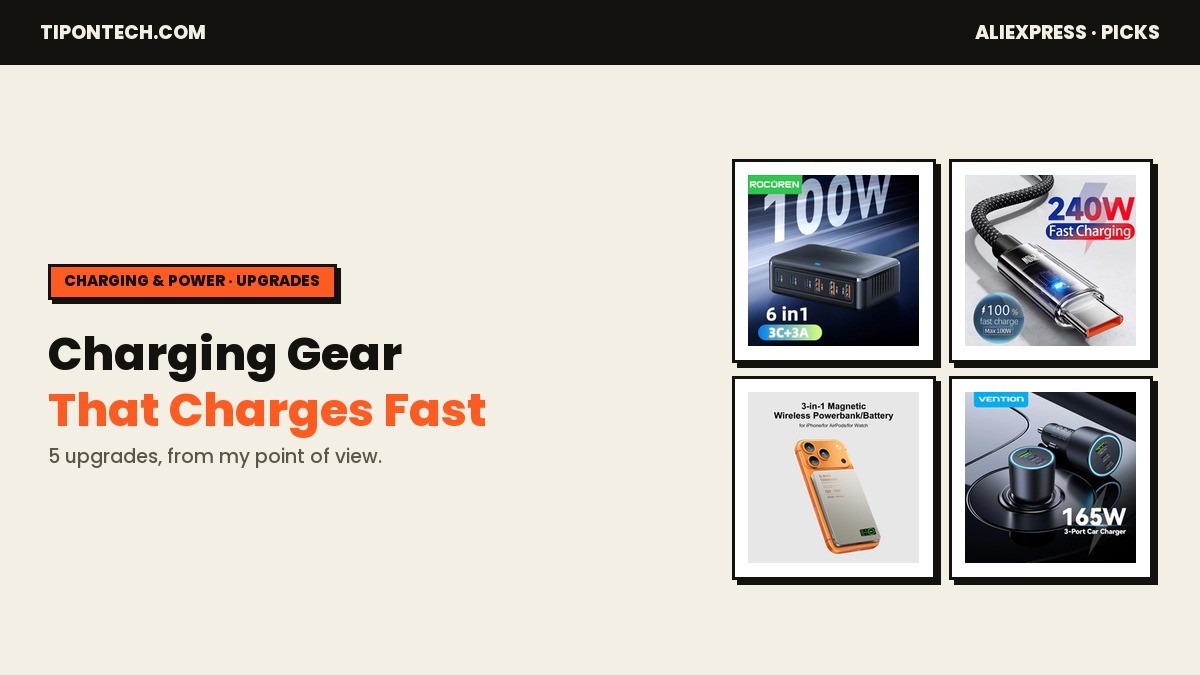
If you buy one thing, make it a multi-port GaN charger. This 100W, six-port Rocoren station runs a laptop, a phone, earbuds and a watch from one wall socket, and it lives permanently on your desk so you stop hunting for chargers. Remember the shared-wattage rule: 100W is plenty for a laptop or a busy phone-and-tablet combo, less so for a laptop being hammered while everything else charges too. For the money and the sales record, it is the easiest win here.
2. The part everyone forgets — a proper cable
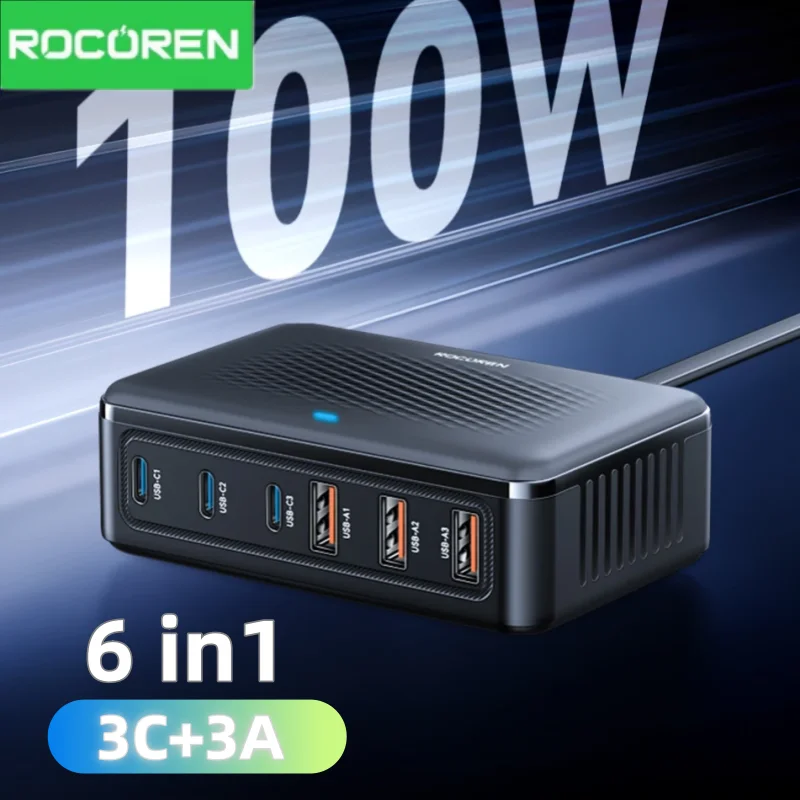
Buy a good charger and then choke it with the cable that came free in a drawer, and you will swear the charger is faulty. It usually isn’t. A 240W cable with the right e-marker chip removes that bottleneck for pennies, and this one adds a small LED screen that shows the real wattage flowing — genuinely useful for confirming your phone is actually fast-charging and not trickling. With 100,000+ sold it is the cheapest upgrade on this list and often the one that fixes everything.
3. Top up on the move — a magnetic power bank
For the day out, a magnetic (MagSafe-style) power bank clings to the back of the phone and charges it wirelessly with no cable dangling, and it also charges over USB-C at up to 45W (per the listing). Two honest notes: wireless charging is slower and warmer than a cable, so it is for topping up rather than a fast full charge; and treat the printed capacity with the same scepticism as any bank — see our mAh-myth guide before you judge it by the number on the box.

4. Fast charging in the car — a PD car charger
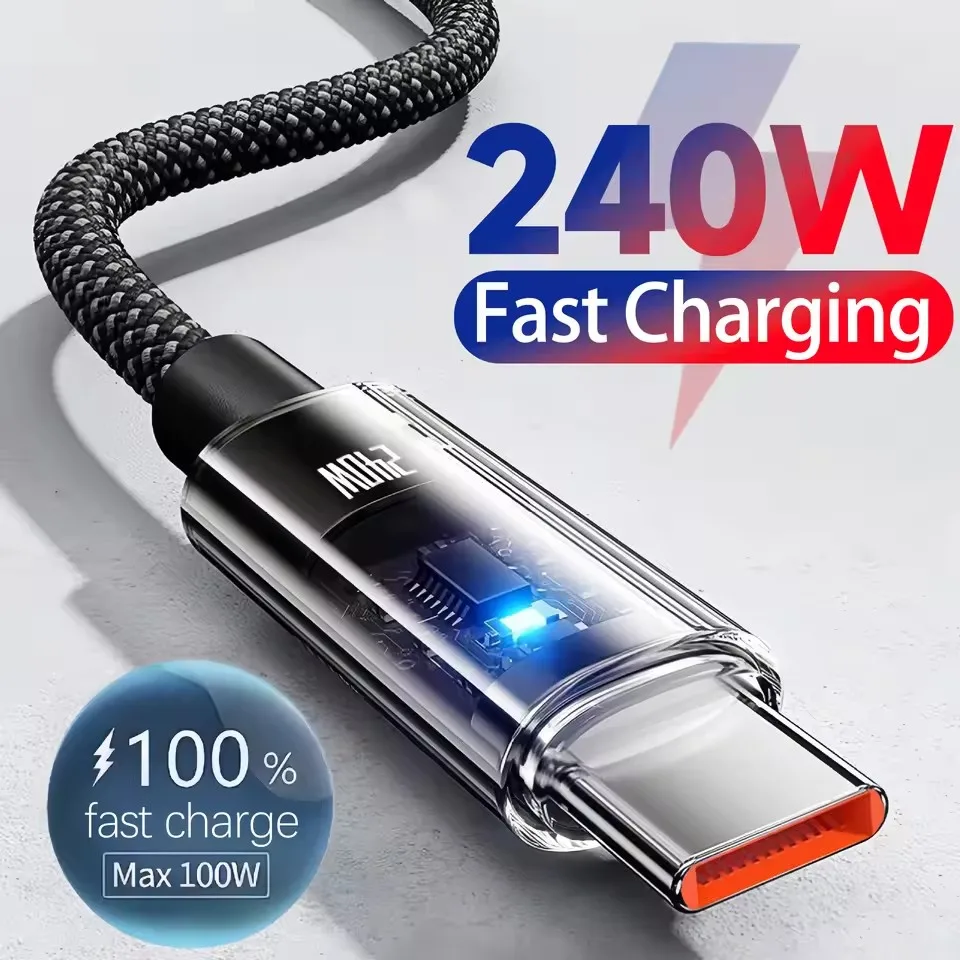
The 12V socket in most cars is stuck in the past, and the old 5W adapters barely keep up with navigation running. A modern PD/GaN car charger like this Vention 165W three-port unit fast-charges a phone (and even a laptop) on the move, so you arrive with more battery than you left with. Match it with the 240W cable above and it will hit the speeds it advertises — pair it with a random cable and you are back to slow.
5. The tidy nightstand — a 3-in-1 wireless stand
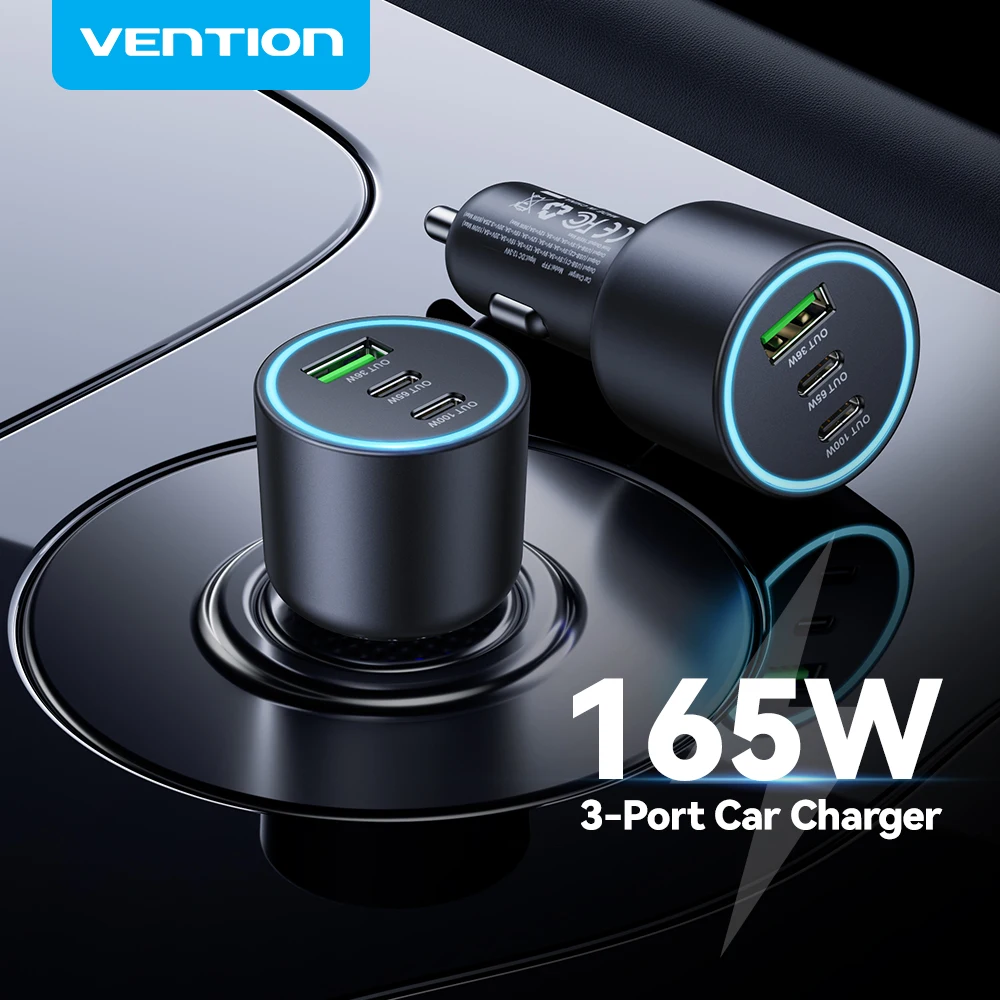
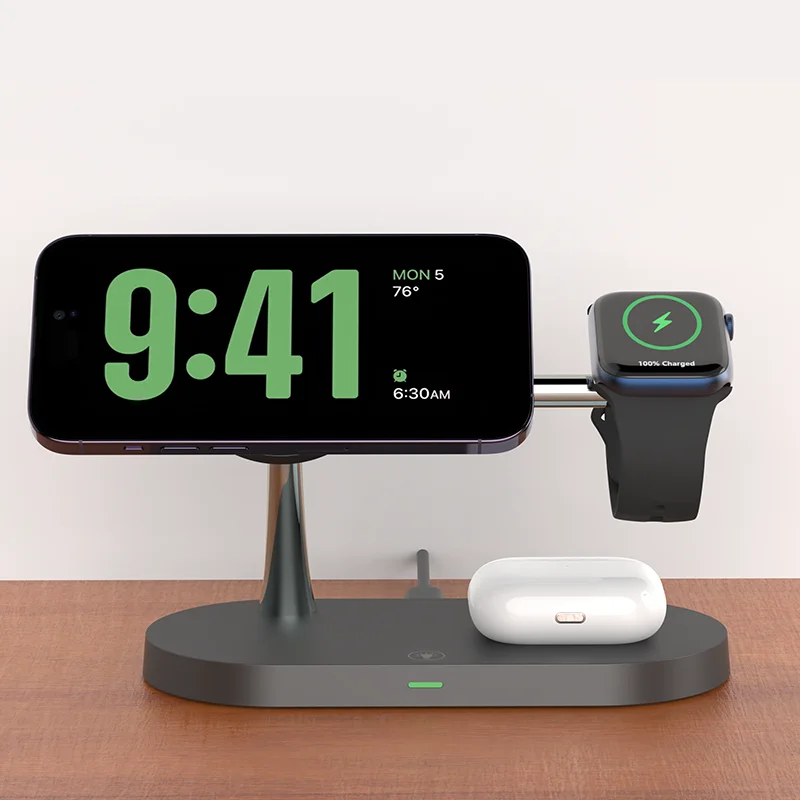
A 3-in-1 wireless stand turns a mess of bedside cables into one object: phone propped up (and usable as a clock), watch charging beside it, earbuds on the pad. It is convenience rather than speed — wireless is slower and runs warmer, so give it airflow and do not bury it under a pillow. For a nightstand or a desk it is the neatest ten-dollar upgrade you can make.
⚠️ A safety note on all of it. Chargers, cables and power banks all move a lot of energy, and cheap or damaged ones can overheat or, with lithium batteries, swell and catch fire. Charge where you can see it — not unattended on a bed or sofa — give wireless chargers airflow, use cables rated for the wattage, and stop using anything that gets hot, swells, smells or has a frayed cable.
Bottom line
Fast charging comes down to three parts that agree with each other: a charger with enough real watts, a cable that can carry them, and a device that speaks the same standard. Buy the GaN station and the 240W cable first — together they fix most “why is this so slow” complaints — then add the car charger, magnetic bank and wireless stand to cover everywhere else you charge.
Prices, ratings and availability change, and some links are affiliate links. Advertised wattage and capacity are often optimistic — verify the current listing and use quality cables and chargers, especially with anything containing a lithium battery.
Charging problems? See why your phone is charging slowly, wireless charger fixes and car charger fixes.

I’m Avi, a parent, car owner and tech lover who researches AliExpress finds for real driving life – from dash cams and diagnostics tools to the gear that survives a long road trip with kids in the back seat. I spend hours digging through specs, buyer reviews, and automotive forums (and tracking which travel toys parents report actually stay quiet past mile 50) so you don’t have to – and I only recommend what holds up under real buyer scrutiny.