
Buying a good dash cam is only half the job. The camera itself does nothing for you while your car is parked with the engine off — and that’s exactly when a lot of dings, break-ins, and hit-and-runs happen. Closing that gap takes a second product, not a better camera. Here’s what’s actually worth adding to a dash cam setup — and what’s a waste of $5.
Quick verdict: if you only buy one thing, make it a hardwire kit or an OBD-II power cable — either one turns your dash cam into a 24-hour parking guard. A high-endurance microSD card is the quiet upgrade nobody mentions until their footage corrupts mid-loop.
What makes a dash cam accessory worth buying?
Same checklist I use for the cameras themselves — real brand or real spec, not a vague listing:
- Fits your camera’s actual port — mini-USB, USB-C, or a proprietary connector. Check before you buy, not after.
- States a real spec, not a marketing word. “High endurance” should come with a written-cycles number. “Low voltage cutoff” should state the voltage.
- 1,000+ sales and 4.6+ rating on the exact listing — accessories are where the $2 knockoffs hide.
- Solves one job well instead of promising to do everything.
1. Hardwire Kit — For 24-Hour Parking Mode
This is the single biggest upgrade you can make to any dash cam. Plugged into your fuse box instead of the cigarette lighter, a hardwire kit steps your car’s 12V–24V down to a safe 5V and keeps the camera running in parking mode — with a low-voltage cutoff so it disconnects before it can drain your battery. The E-ACE kit below has: built-in fuse, adjustable voltage cutoff, and a 3.5m cable long enough to reach most fuse boxes without a splice kit.
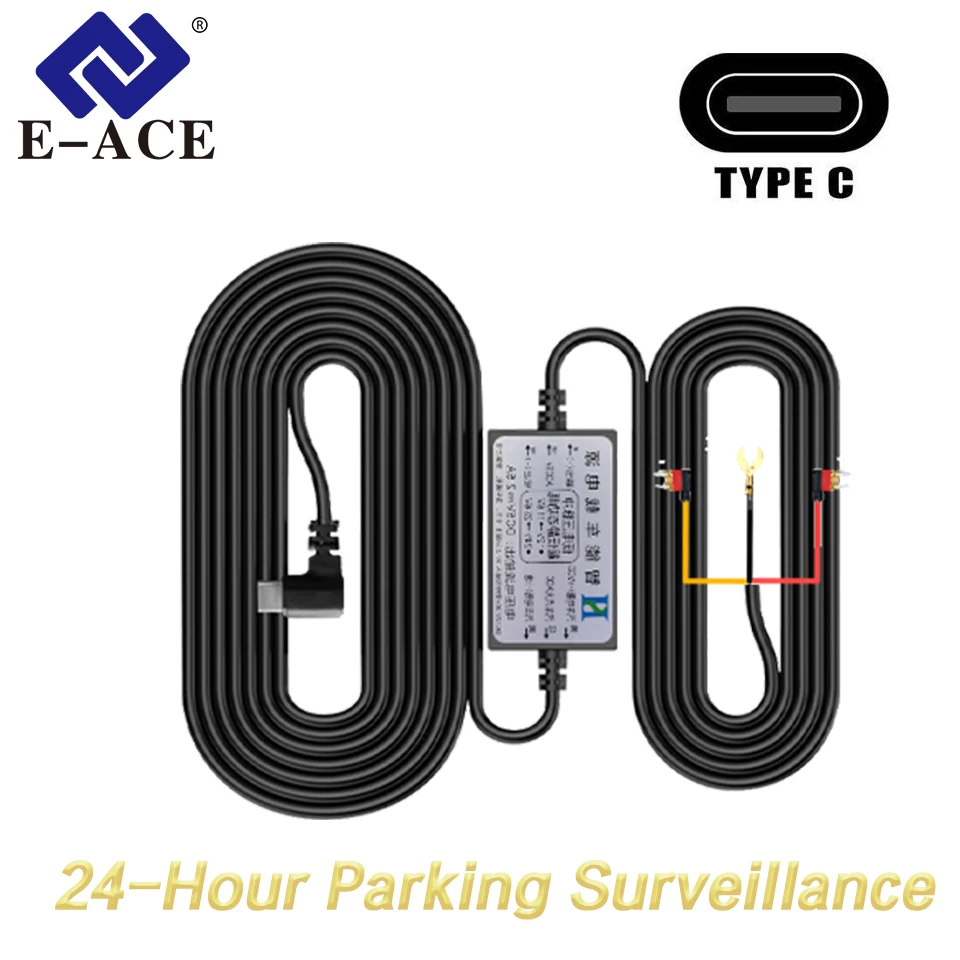
Caveat: hardwiring means popping your fuse box cover and identifying an always-on and a switched fuse. It’s a 20-minute job with a fuse tap, not a soldering job — but if you’d rather not touch your fuse box at all, skip to the OBD-II option below.
2. OBD-II Power Cable — Parking Mode Without Opening the Fuse Box
If the idea of splicing into your fuse box is what’s kept you from adding parking mode, this is the workaround: it plugs straight into your car’s OBD-II diagnostic port (the one every car has had since the late ’90s for emissions checks) and pulls power from there instead. The 70mai kit below is built specifically for 70mai’s own Type-C dash cams — including the A810S, A500S, and M310 Plus from my dash cam picks — with 4 voltage levels and 6 timer settings so you can tune exactly how deep it’s allowed to drain your battery before cutting off.
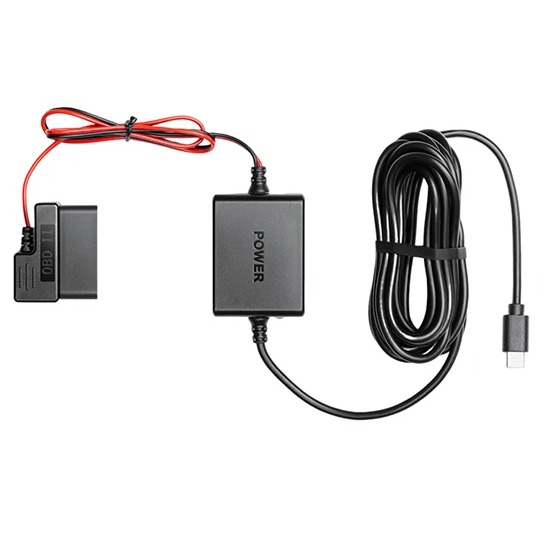
Caveat: this one is built for 70mai’s Type-C cameras — check your camera’s connector and brand before buying. It’s also drawing from a port your car may use for its own diagnostics, so don’t leave anything else plugged into the OBD-II port at the same time.
3. High-Endurance MicroSD Card — The Upgrade Nobody Thinks About
A dash cam records in a constant loop, overwriting old footage every few minutes, all day, every day. A regular microSD card — even a fast one meant for a phone or camera — is built for occasional writes, not that. Push it hard enough for long enough and it starts corrupting files right when you need them. “High Endurance” cards like this SanDisk are rated for exactly this write pattern: continuous recording, day in and day out, without the card degrading in a few months.
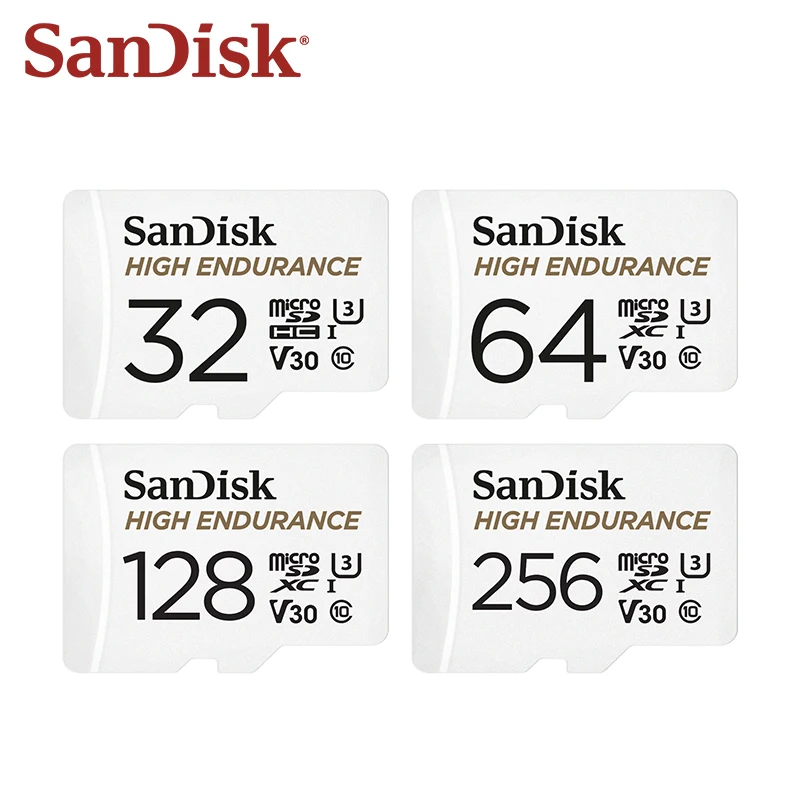
Caveat: “high endurance” and “high speed” are not the same label — plenty of fast cards are still built for occasional writes. Look for the words “high endurance” specifically, not just a big number on the packaging.
Which One Should You Actually Buy First?
- Comfortable opening your fuse box: hardwire kit first — it’s the cheaper of the two power options and works with any camera.
- Own a 70mai Type-C camera and don’t want to touch the fuse box: the OBD-II cable.
- Already have parking mode running: the high-endurance card is your next buy — it’s the part actually taking the beating.
- Setting up from scratch: pair either power option with the high-endurance card from day one. Don’t wait for a corrupted card to teach you the lesson.
Bottom line: the camera gets the attention, but these two accessories are what make it actually useful while you’re not in the car. A hardwire kit or OBD-II cable turns “records while I drive” into “watches my car 24/7.” A high-endurance card just makes sure that footage is still readable when you need it. Neither is exciting — both are worth it.
Some links in this post are AliExpress affiliate links — I may earn a commission at no extra cost to you. I only recommend accessories I’d actually install in my own car. Full disclosure here.
Dash cam guides: how to hardwire a dash cam, how to install one and hide the wires, does a dash cam drain your battery and fixes for a camera that will not record.

I’m Avi, a parent, car owner and tech lover who researches AliExpress finds for real driving life – from dash cams and diagnostics tools to the gear that survives a long road trip with kids in the back seat. I spend hours digging through specs, buyer reviews, and automotive forums (and tracking which travel toys parents report actually stay quiet past mile 50) so you don’t have to – and I only recommend what holds up under real buyer scrutiny.