
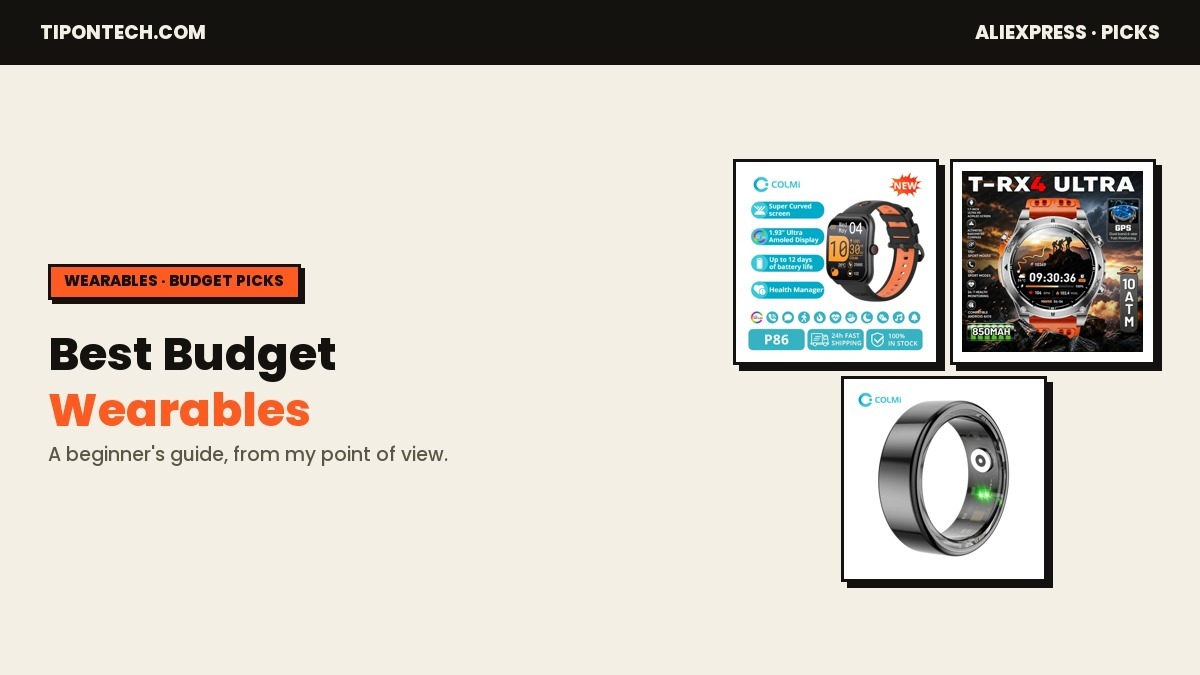
Wearables are one of the easiest ways to try “smart tech” without rewiring anything — you just put it on. The problem is the listings: copied photos, invented health features, and app names that don’t match the hardware. This guide keeps it simple — six practical wearables that each solve a clear problem, from a first smartwatch to a smart ring.
Quick verdict: pick one device that matches a habit you already have — steps, sleep, notifications, or knowing where your child is — and confirm the app and the regional version before you buy. A cheap wearable you actually wear beats an expensive one that lives in a drawer.
What makes a good first wearable?
Before the picks, a quick filter for judging any wearable:
- One clear job. Notifications, fitness, sleep, or child safety — not “all of the above” from a no-name brand.
- Honest sensors. Heart rate, SpO2 and sleep scores are useful estimates, not medical readings. Judge trends, not single numbers.
- Real battery life and a supported app. Check that the app still gets updates and matches the exact model.
- Right region and size. Confirm the plug, band width and the regional version for your country.
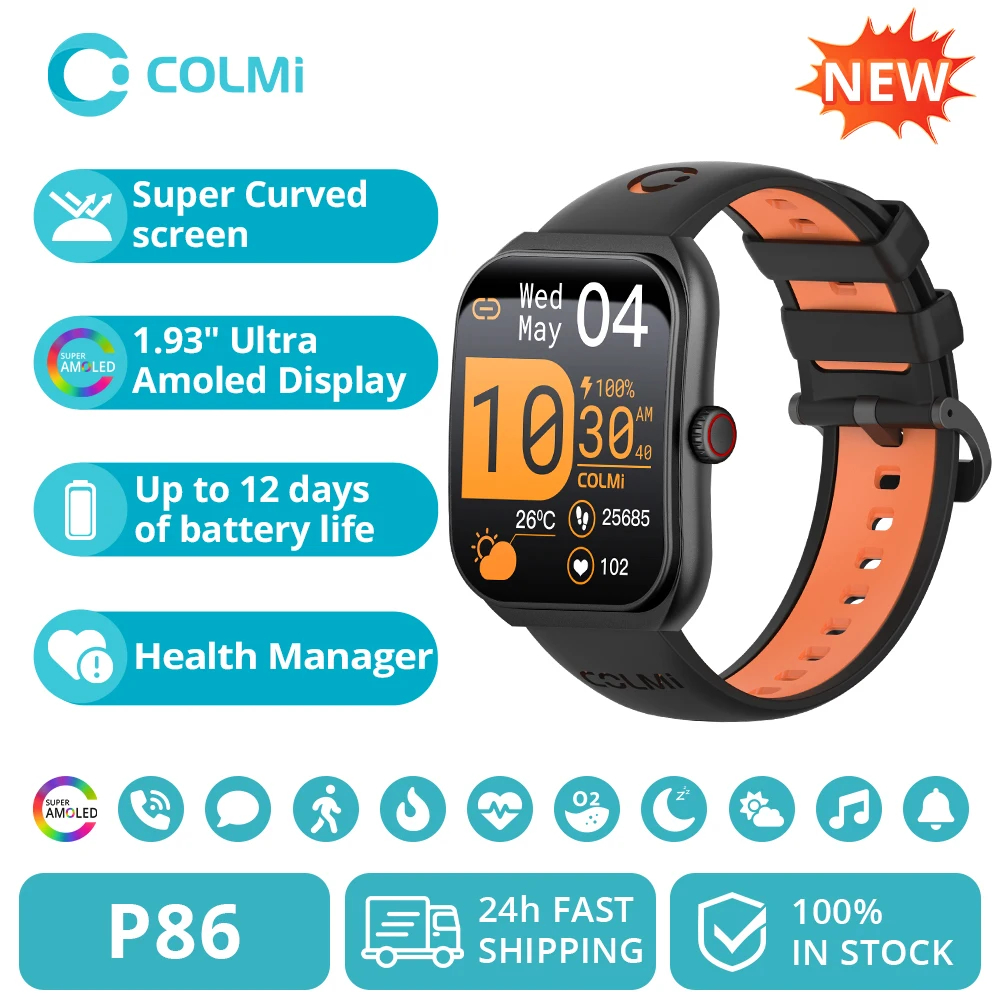
1. A first smartwatch
A smartwatch is the do-everything pick: notifications, calls from the wrist, workout tracking and an always-on display. For a first one, I look for an AMOLED screen, Bluetooth calling and a companion app that’s actually maintained — not a generic clone that stops syncing after a month.
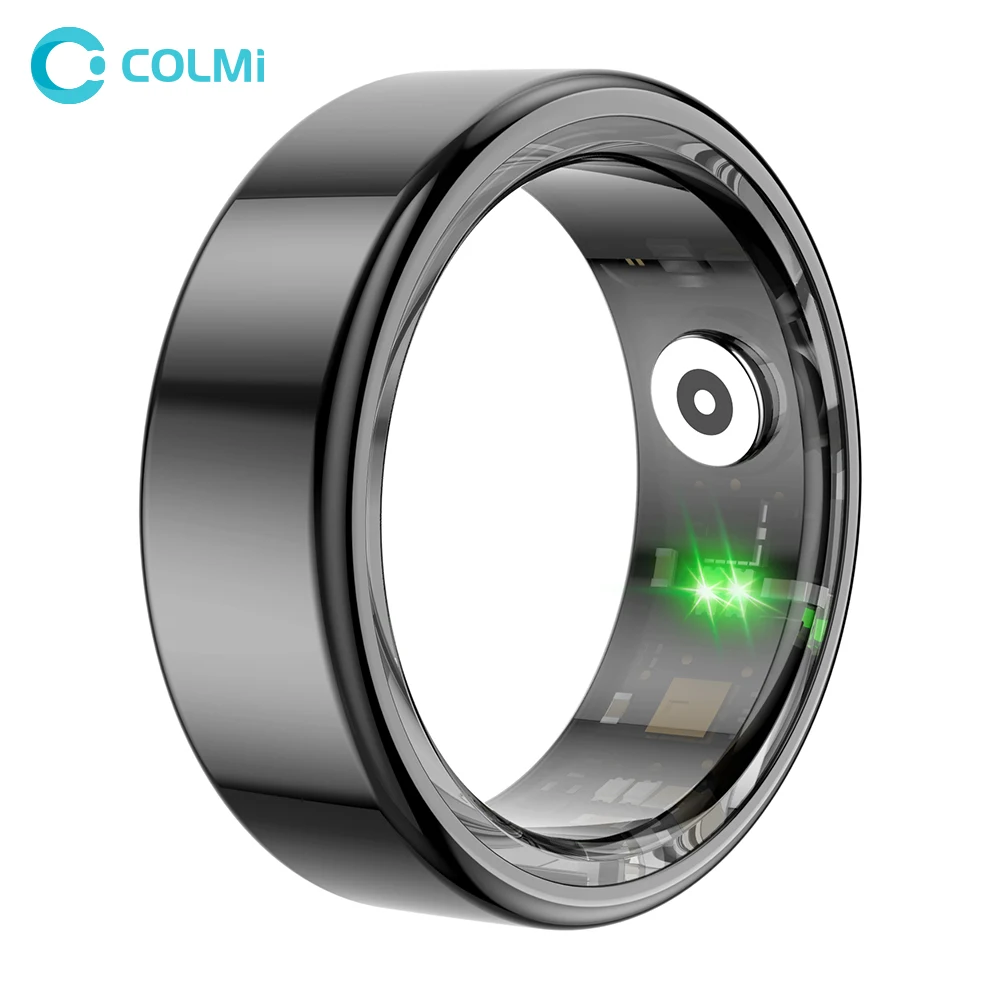
2. A smart ring
The trendy alternative: sleep and heart-rate tracking in something you forget you’re wearing, with no screen and days of battery. It’s the cheap way to try the “recovery ring” idea. Size carefully (most sellers offer a sizing kit) and, again, treat the health numbers as trends rather than diagnoses.
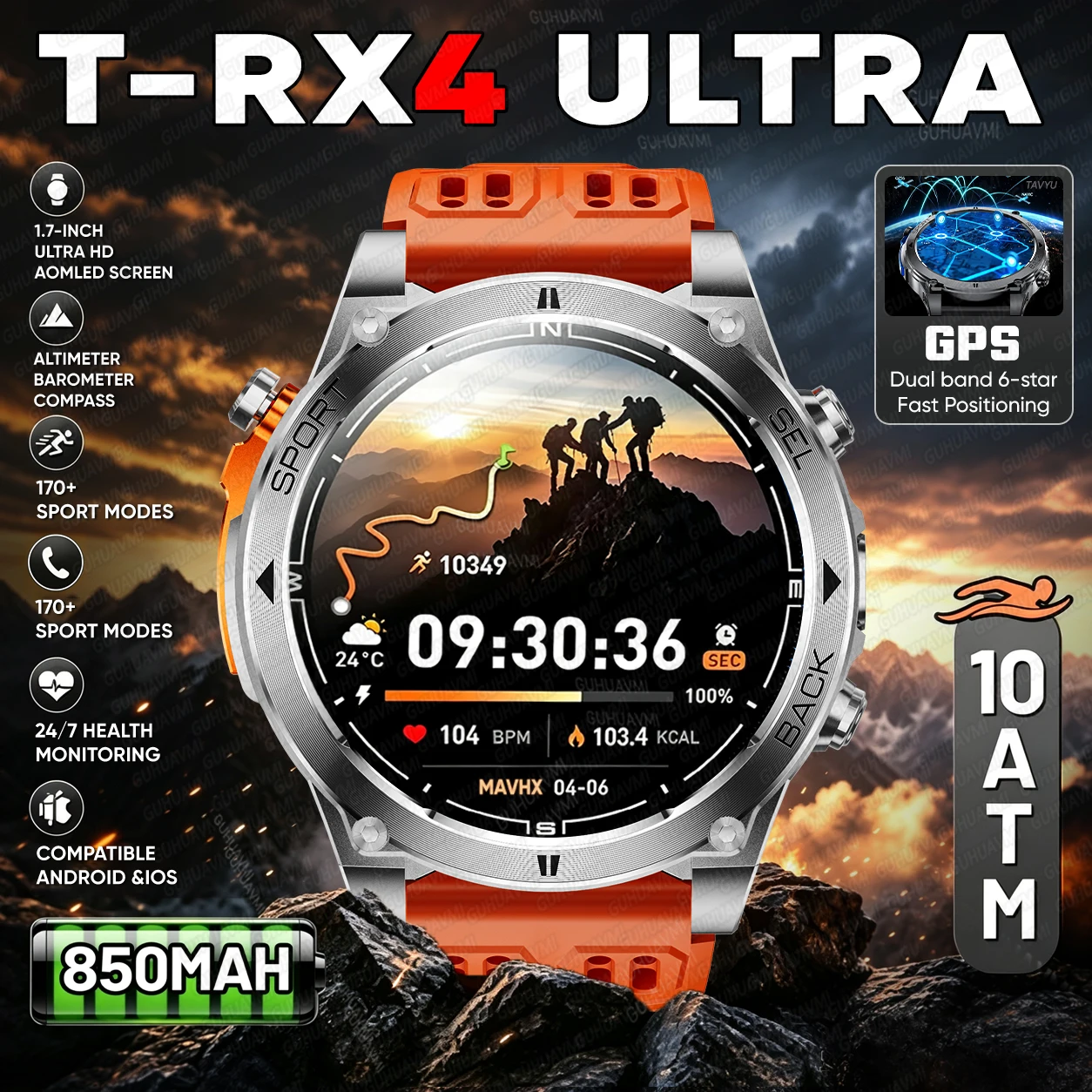
3. A rugged sports & outdoor watch
If a slim smartwatch feels too fragile, an outdoor watch trades some polish for a bigger battery, built-in GPS, a compass and a case that shrugs off knocks. Good for hikes, cycling and anyone who wants a chunkier watch that lasts several days between charges.
4. Straps, chargers & everyday accessories
The cheapest upgrade is usually the smallest: a spare quick-release strap to change the look, or a backup magnetic charger for the one that always goes missing. Match the lug width (commonly 18, 20 or 22 mm) and buy the charger that fits your exact model — these are the parts that wear out or vanish first, and replacing them costs a fraction of a new device.
Which one should you start with?
Start with the device that fits a habit you already have. Want fewer phone pickups? A smartwatch. Trying to move more or sleep better? A ring. Buy one, wear it for a week, and check the things that actually matter day to day — comfort, battery reporting, notification reliability and whether the app is bearable — before you add anything else.
Bottom line
The best first wearable isn’t the one with the longest spec list — it’s the one that matches something you already do and is comfortable enough to keep wearing.
Product availability, prices, ratings and compatibility can change. Verify the current listing and the regional version before buying.
Watch acting up? See my smartwatch not syncing, notifications and battery fixes.

I’m Avi, a parent, car owner and tech lover who researches AliExpress finds for real driving life – from dash cams and diagnostics tools to the gear that survives a long road trip with kids in the back seat. I spend hours digging through specs, buyer reviews, and automotive forums (and tracking which travel toys parents report actually stay quiet past mile 50) so you don’t have to – and I only recommend what holds up under real buyer scrutiny.