
Affiliate Disclosure: Tipontech is a participant in the AliExpress Affiliate Program. I may earn a commission when you click through and purchase, at no extra cost to you. I only recommend products I would trust flying myself.
You have seen the YouTube footage — a drone weaving between trees at 60mph, the pilot’s view swooping through a gap the size of a doorway. Then you look up “FPV drone” and get quoted anywhere from $20 to $800, with zero explanation of why. I dug through real buyer reviews and the actual FPV community’s own advice (not generic “Top 10” listicles) to figure out what a genuine beginner should buy first, and what is just a toy wearing an FPV label.
Quick Verdict (TL;DR)
- Yes, beginner FPV is genuinely affordable — if you start with a real brand’s ready-to-fly kit, not a random no-name listing.
- Skip anything calling itself “FPV” that is really a WiFi camera drone with a phone-screen headset — that is not the same hobby, and it is not what this guide is about.
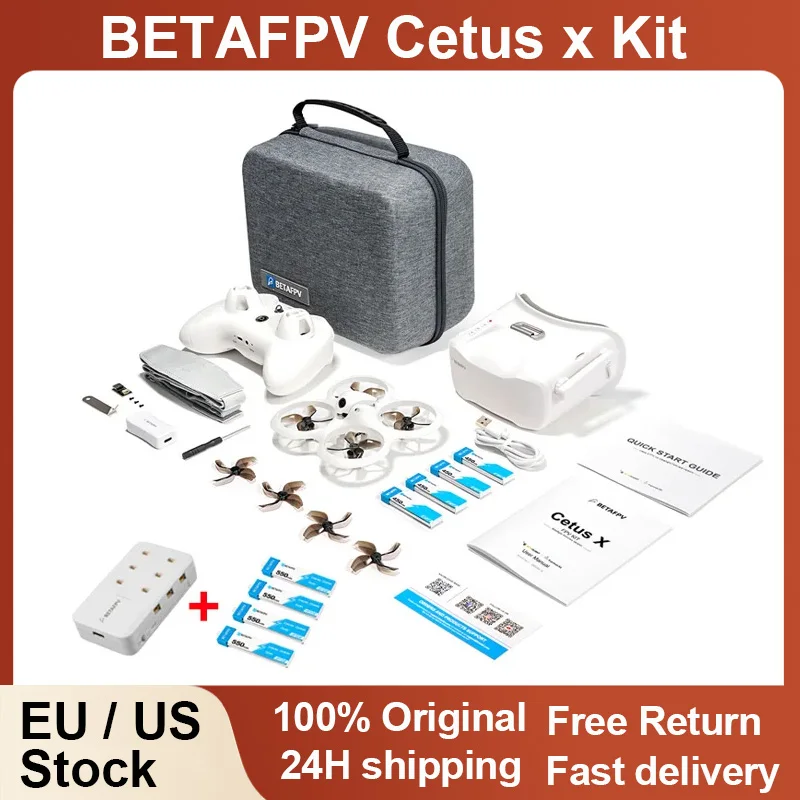
- Best all-in-one starter kit: BETAFPV Cetus X — drone + goggles + radio in one box, about $237.
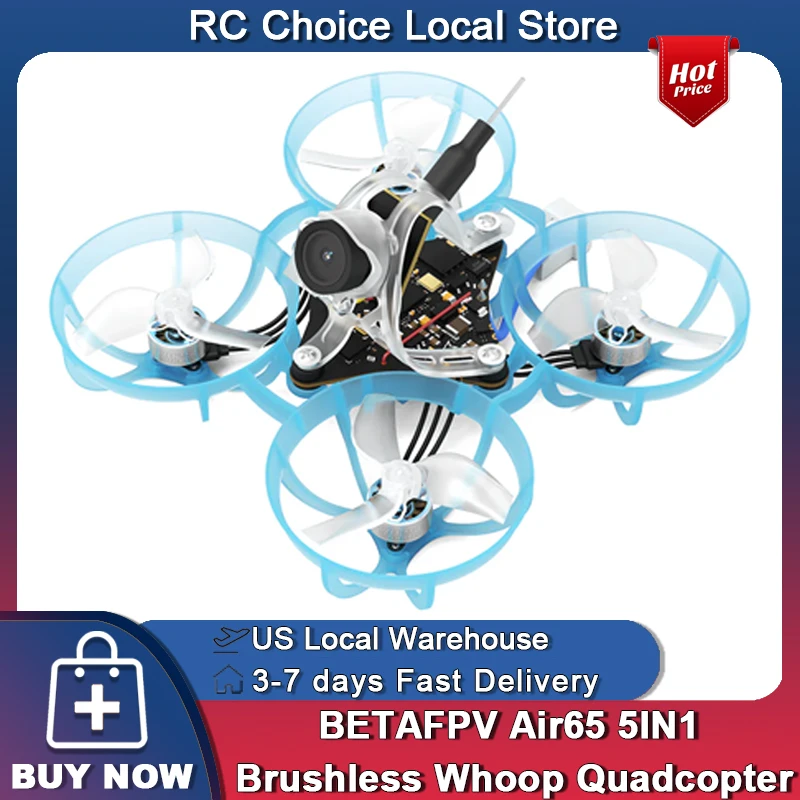
- Best pure indoor practice whoop: BETAFPV Air65 — about $128, 4.9★ across 680 reviews.
My Point of View on Beginner FPV Drones
Most “best FPV drone” articles online just re-list Amazon best-sellers, most of which are toy camera drones with “FPV” slapped in the title for SEO. Real FPV — the kind the hobby forums (r/Multicopter, r/fpv) actually talk about — is a different product entirely: a lightweight racing/freestyle frame, real analog or digital video goggles, and a dedicated radio transmitter. I focused on what that community actually recommends to beginners, cross-checked against real AliExpress buyer reviews for each specific listing.
What the Listing Promises vs. What You Actually Get
Here is a real example from my top pick’s own AliExpress listing, the BETAFPV Cetus X FPV Kit — the same kind of promise-vs-reality gap I check on every guide.
| The Listing Promises | What Buyers Actually Get |
|---|---|
| “Long-Lasting 1000mAh Battery” | The same listing admits flight time is under 5 minutes per battery. That is normal for tiny FPV drones (it is a real limit of the hobby, not a defect) — budget for spare batteries from day one. |
| “Ready-to-Go Racing Drone Kit… for beginners to experts” | Real buyer reviews back this up specifically for beginners: “new to fpv and I already have a ton of fun,” “my son bought it with his own money and loves it,” “looking forward to learning how to fly.” No complaints found about it being too hard to start with. |
| “100m Range” | That is the controller’s rated range under ideal conditions — realistic usable range indoors or in a small yard is much shorter, which is exactly where a beginner should be flying anyway. |
Limits of this check: AliExpress only shows a curated slice of reviews on most listings, so this is not a complete complaint audit — read the newest reviews yourself before buying.
The Brands You Can Actually Trust
Unlike a lot of AliExpress categories, FPV has a small set of real, hobby-respected manufacturers who sell direct on the platform. Stick to these unless you already know enough to judge a no-name part yourself:
- BETAFPV — the most beginner-focused brand in the hobby; their whoops and RTF kits are the community’s standard “first drone” recommendation.
- Happymodel — well-regarded for micro whoops and frames; strong parts ecosystem if you want to upgrade later.
- GEPRC — more advanced racing/freestyle frames and parts; better suited once you have crashed a tiny whoop a few times and want to build your own.
- Walksnail / Caddx — the two real names in digital FPV goggles and cameras, if you outgrow analog video.
Everything else — generic “FPV Drone Kit” listings with no brand name in the title — treat as unproven until real reviews say otherwise.
How to Start FPV Without Wasting Money
- Practice in a simulator first. Most beginner controllers work with free or cheap PC/phone FPV simulators — crash a hundred times in software before you crash a real battery pack into a wall.
- Buy a ready-to-fly (RTF) kit, not a build-from-parts kit — unless you already solder. An RTF kit means drone, goggles, and radio all work together out of the box.
- Buy 2-3 spare batteries on day one. 3-5 minute flight times are universal in this hobby, not a flaw of any one product — one battery means one short flight, then packing up.
- Check your exact model’s takeoff weight. Most beginner tiny whoops are well under 250g (0.55 lb), which is generally the threshold recreational flyers watch for registration requirements in the US — rules vary by country, so verify your own local regulations before flying outdoors.
- Fly indoors first. Tiny whoops are built for this (ducted propellers, small size) — save outdoor freestyle for once you are consistently not crashing indoors.
My Top Beginner FPV Picks
BETAFPV Cetus X FPV Kit — Best All-in-One Starter Kit
This is the one to get if you want everything working together with zero setup guesswork: the drone, the VR03 FPV goggles, and the radio transmitter all ship as one matched kit. 4.7★ across 30 reviews, 178 sold, real buyers confirming it is genuinely beginner-friendly.
BETAFPV Air65 5-in-1 Whoop — Best Pure Indoor Practice Drone
If you already have a radio and goggles (or are buying the Cetus X kit above and want a second, tougher drone for practice), the Air65 is BETAFPV’s durable brushless whoop — 4.9★ across 680 reviews with 3,000+ sold, ships from a US warehouse.
BETAFPV Aquila16 FPV Kit — Best Step-Up for Outdoor Freestyle
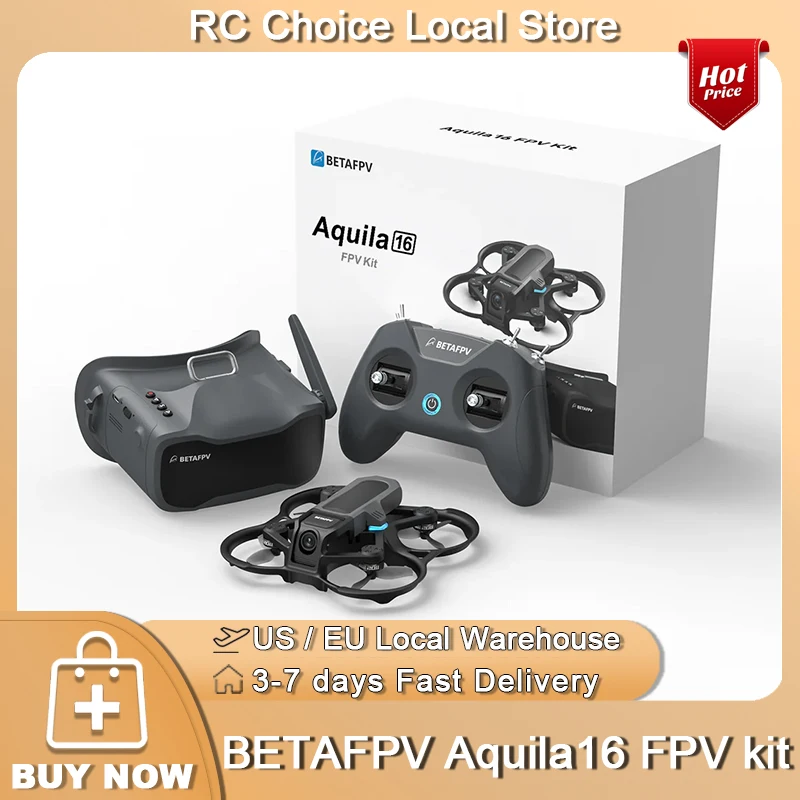
Once indoor whoops feel too small, the Aquila16 is a bigger, faster kit built for real outdoor freestyle flying — still from the same beginner-focused brand, so the learning curve does not suddenly reset.
5 Things to Avoid When Buying an FPV Drone
- “FPV” toy drones that are really just a WiFi camera + phone screen. Real FPV means a dedicated 5.8GHz analog or digital video link with near-zero lag through goggles — a phone-app video feed has too much delay to actually fly by.
- No-name frames or motors with zero reviews. A bad motor at flying speed is a real safety issue, not just a bad-value purchase.
- Kits advertising “4K camera + FPV” for under $30. That is a toy camera drone, a completely different product built for a completely different buyer than this guide.
- Batteries sold separately with no clear mAh/voltage/connector spec. A mismatched battery can damage the flight controller — only buy the exact spare pack the manufacturer lists for your model.
- Sellers with no real photo or video proof of the actual item flying. For hobby electronics this matters even more than for simpler gadgets — stock photos alone are not enough.
Side-by-Side Comparison
| Kit | Includes | Best For | Price |
|---|---|---|---|
| BETAFPV Cetus X | Drone + goggles + radio | Absolute beginners, zero existing gear | ~$237 |
| BETAFPV Air65 | Drone only | Second/backup drone, or if you already have gear | ~$128 |
| BETAFPV Aquila16 | Drone + goggles + radio | Stepping up to outdoor freestyle | ~$218 |
My Verdict
FPV is one of the few hobbies where AliExpress is not just a cheaper alternative — for beginner-focused brands like BETAFPV, it is genuinely the primary place to buy. My pick for most people starting from zero: the BETAFPV Cetus X kit — one purchase, everything matched, nothing left to figure out. If you want a tougher second drone purely for practice crashes, add the Air65. Once you are flying confidently indoors, the Aquila16 is the natural next step outdoors.
Frequently Asked Questions
Do I need a license to fly an FPV drone?
Rules vary by country. In the US, most beginner tiny whoops fall under the 250g recreational threshold, but always check your own country and region’s current drone regulations before flying outdoors — do not rely on this article alone for legal requirements.
Is FPV flying hard to learn?
There is a real learning curve, which is exactly why simulator practice and starting with a durable indoor whoop matter — real buyer reviews on the Cetus X specifically confirm first-timers get flying successfully.
Can I fly with just my phone instead of goggles?
Some beginner kits support app control for casual flying, but real FPV racing/freestyle feel requires the low-latency video link through dedicated goggles — a phone screen is a fallback, not the intended experience.
What is the difference between analog and digital FPV?
Analog (the kind in this guide’s picks) is lower-cost and lower-resolution but has near-zero lag. Digital (Walksnail/DJI O3-style) gives a much clearer HD image at a higher price and slightly more latency. Analog is the standard beginner starting point.
Related reading: my guide to action camera accessories.
Will these work in my country?
Radio frequency and video transmission rules vary by region. Check the specific model’s listed frequency bands against your local regulations before buying if you are outside the US.
Kit not binding? See how to fix an FPV drone that will not bind.

I’m Avi, a parent, car owner and tech lover who researches AliExpress finds for real driving life – from dash cams and diagnostics tools to the gear that survives a long road trip with kids in the back seat. I spend hours digging through specs, buyer reviews, and automotive forums (and tracking which travel toys parents report actually stay quiet past mile 50) so you don’t have to – and I only recommend what holds up under real buyer scrutiny.